“To be free is not merely to cast off one’s chains; it is to live in a way that respects and enhances the freedom of others.” Nelson Mandela, A Long Walk to Freedom.
Robben Island, located about 7 km off the coast of Cape Town in South Africa, is much more than just an island. It is a powerful symbol of the fight against apartheid and of human resilience. A UNESCO World Heritage Site, Robben Island attracts thousands of visitors each year, eager to discover its rich and moving history. In this article, we guide you through everything you need to know to plan your visit to Robben Island, along with practical tips and ideas for other activities in Cape Town.
Robben Island has a complex history dating back several centuries. In the 17th century, Dutch settlers used the island as a place of banishment for criminals and political opponents. In the 19th century, it served as a leper colony, isolating the sick from society. During World War II, the island was fortified and used as a military base to protect Cape Town from enemy attacks.
Robben Island gained worldwide notoriety during apartheid. Political prisoners, including Nelson Mandela, Walter Sisulu, and Ahmed Kathrada, were held there in extremely harsh conditions. The cells were small, the food insufficient, and the prisoners subjected to forced labor. Despite these conditions, the inmates transformed the prison into an informal university, sharing knowledge and ideas to shape the future of South Africa.
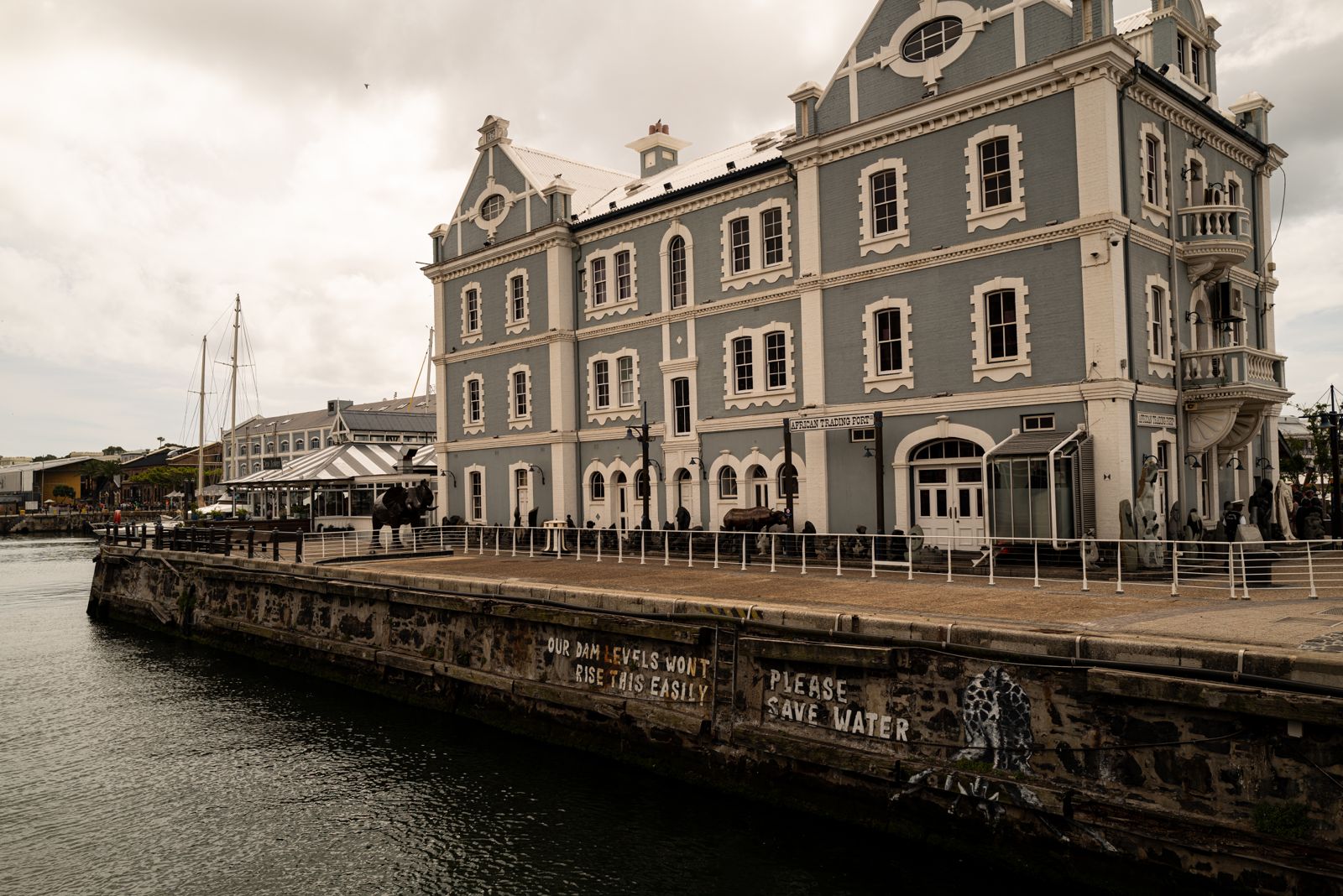
Robben Island is located in Table Bay, about 7 km off the coast of Cape Town. The ferry to the island departs from the Nelson Mandela Gateway, located in the Victoria & Alfred Waterfront, a vibrant area of Cape Town. The ferry crossing takes approximately 30 minutes and offers spectacular views of Table Mountain, the city, and the Atlantic Ocean.
It is important to note that weather conditions can affect ferry departures. Sometimes crossings are cancelled due to strong winds or rough seas. It is therefore recommended to check the weather forecast before planning your trip.
Tickets for Robben Island are available online and on-site. However, during peak season, tickets can sell out quickly, so it’s best to book in advance. Prices vary depending on age and nationality.
Tickets include return ferry, guided tour of the island and access to the museum.
1. How long does the tour last?
The complete tour, including the round-trip ferry, lasts approximately 3 to 4 hours. The guided tour of the island itself lasts approximately 2 hours.
2. When is the best time to visit?
The morning is ideal for avoiding crowds and enjoying calmer seas. The summer months (November to February) are the most popular, but also the busiest.
3. What do I need to bring?
4. Is the visit suitable for children?
Yes, but it is recommended to explain the island’s history to children so they understand its importance. Children under 6 are not allowed to visit the prison.
5. Are there any restrictions for people with reduced mobility?
The island is partially accessible to people with reduced mobility. However, some areas, such as the prison, may be difficult to access. It is recommended to contact the organizers in advance to discuss specific needs.
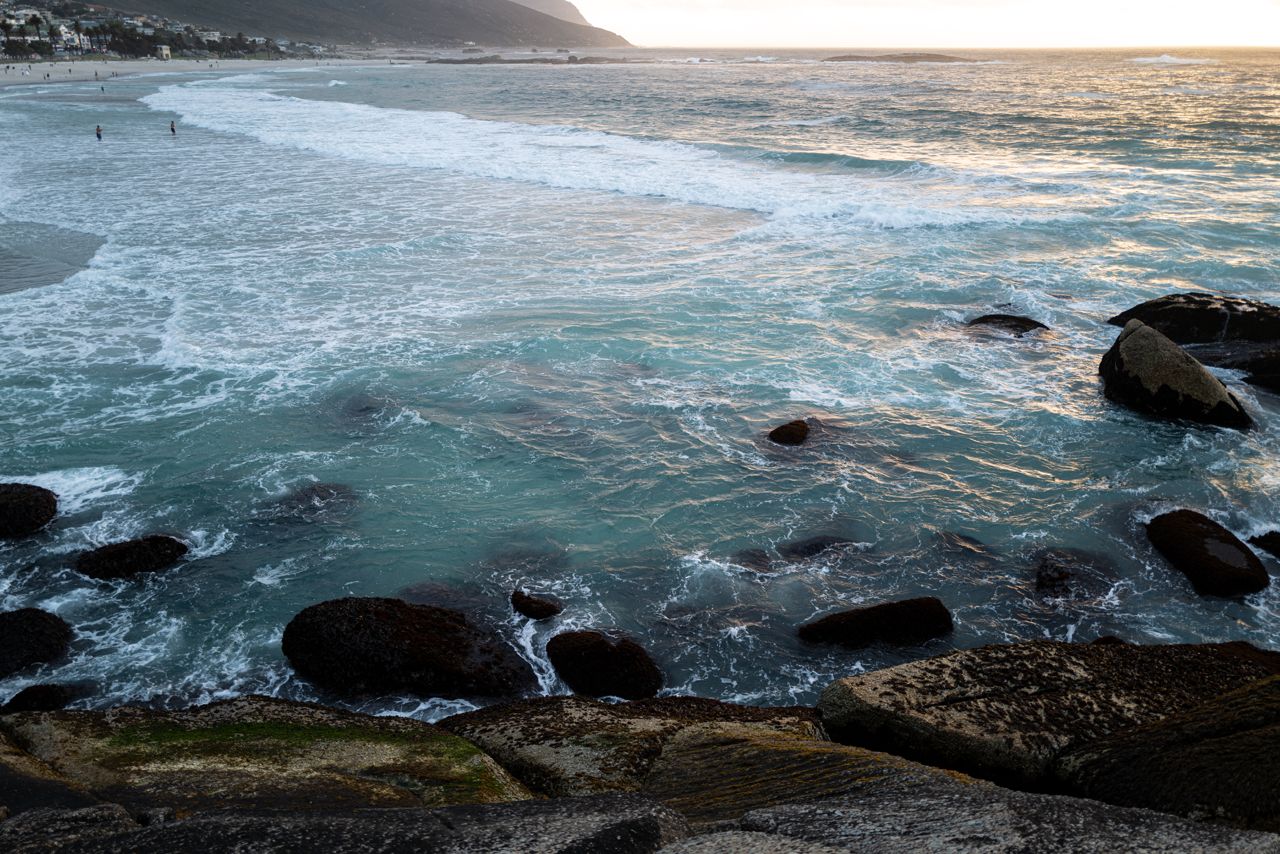
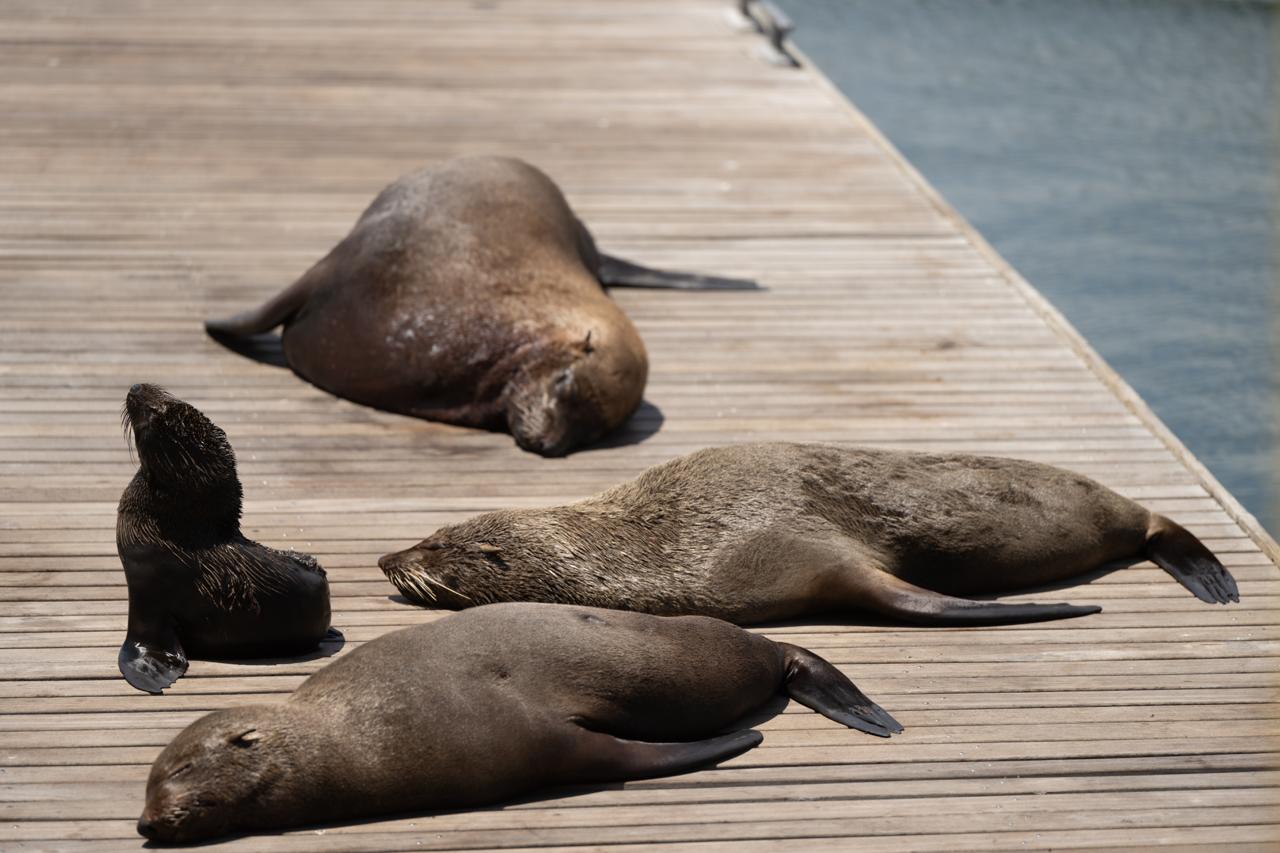
Cape Town is a city rich in attractions. Here are some ideas to enhance your stay:
Robben Island is much more than a tourist destination; it’s a journey through history, a tribute to human resilience, and a reminder of the struggles for justice and equality. By visiting this island, you help preserve its heritage and support the educational and cultural initiatives that take place there.
Don’t forget to plan your visit in advance, especially if you’re traveling during peak season. And once you’re in Cape Town, take the opportunity to explore the many other attractions this beautiful city has to offer.
With this comprehensive guide, you’re ready for an unforgettable experience on Robben Island and in Cape Town. Have a great trip!
A wonderful serenity has taken possession of my entire soul, like these sweet mornings of spring which I enjoy with my whole heart. I am alone, and feel the charm